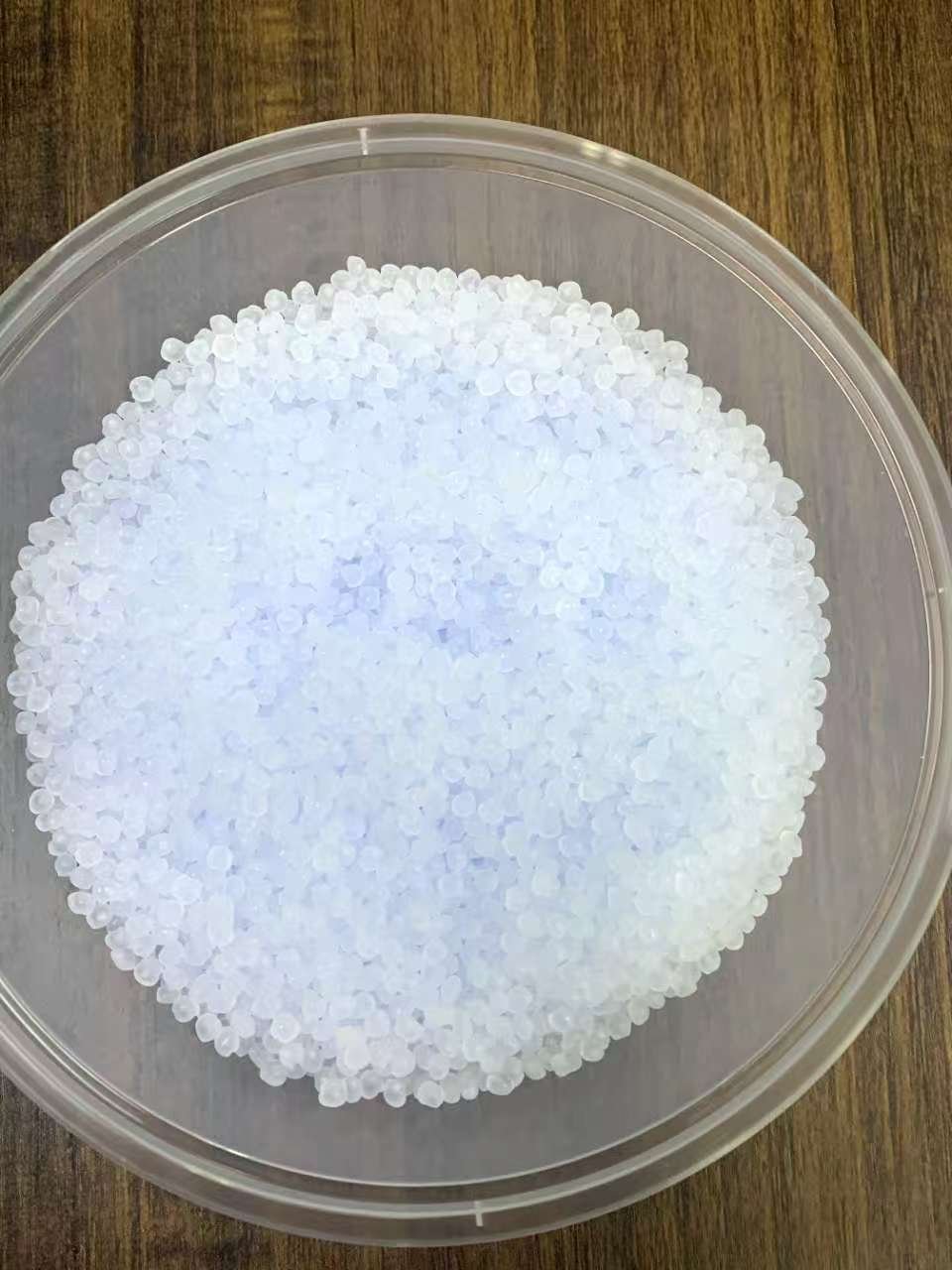
Polyethylene (PE) and Polypropylene (PP): A Comprehensive Guide to the Two Pillars of the Polyolefin Family
Polyethylene (PE) and Polypropylene (PP) are the two most prominent members of the polyolefin family, representing over 60% of the global plastic consumption. Composed entirely of carbon and hydrogen, these thermoplastics are valued for their lightweight nature, non-toxicity, ease of processing, and excellent chemical resistance. They find ubiquitous applications in packaging, automotive, construction, electronics, and healthcare.
This guide provides a detailed analysis of their molecular structures, classifications, key properties, applications, and core differences, enabling informed material selection for diverse industrial and commercial needs.
1. Polyethylene (PE): The King of Production, Flexibility and Low-Temperature Resistance
Polyethylene is a polymer formed by the polymerization of ethylene monomers, with the chemical formula [-CH₂-CH₂-]ₙ. It is the highest-volume plastic in the industry. Its simple linear molecular structure, devoid of side chains, imparts exceptional flexibility and low-temperature performance.
1.1 Main Classifications
PE is primarily categorized into three types based on density and molecular structure:
Low-Density Polyethylene (LDPE): Density 0.910-0.925 g/cm³. Characterized by a branched molecular structure and low crystallinity. It offers excellent flexibility, high transparency, and good processability, but lower mechanical strength.
High-Density Polyethylene (HDPE): Density 0.941-0.965 g/cm³. Features a linear structure with minimal branching and high crystallinity. It is known for high mechanical strength, rigidity, excellent chemical resistance, and good weatherability.
Linear Low-Density Polyethylene (LLDPE): Density 0.915-0.940 g/cm³. A linear structure with short, uniform side chains. It combines the processability of LDPE with the strength of HDPE, boasting superior tear and puncture resistance.
Specialized grades such as Ultra-High-Molecular-Weight PE (UHMWPE) and Metallocene PE (mPE) are also available for high-performance applications like wear-resistant components and advanced packaging.
1.2 Key Properties
Exceptional Low-Temperature Resistance: Maintains toughness down to -70 ~ -100°C, ideal for frozen food packaging.
Good Chemical Resistance: Resistant to most acids and alkalis (excluding strong oxidizing agents) and insoluble in common solvents at room temperature.
Excellent Electrical Insulation: A reliable insulator for wire and cable jacketing.
Waxy Texture: Non-toxic and odorless, complying with food safety standards.
Limited Heat Resistance: Continuous use temperature typically ranges from 80 to 100°C; not suitable for high-temperature heating.
2. Polypropylene (PP): The Lightest Commodity Plastic, Stiffness and Heat Resistance
Polypropylene is a polymer formed by the polymerization of propylene monomers, with the chemical formula [-CH₂-CH(CH₃)-]ₙ. It is the lightest of the five major commodity plastics, with a density of only 0.895-0.92 g/cm³, allowing it to float on water. The methyl side groups on its molecular chain enhance crystallinity, resulting in high rigidity and heat resistance.
2.1 Main Classifications
PP is primarily classified into three types based on its polymerization method:
Polypropylene Homopolymer (PPH): Polymerized from propylene monomer alone. It offers high rigidity and heat resistance but poor impact strength, especially brittleness at low temperatures.
Random Copolymer Polypropylene (PPR): Copolymerized from propylene and a small amount of ethylene. It exhibits high transparency, good toughness, and low-temperature resistance, making it ideal for hot water pipes.
Impact Copolymer Polypropylene (PPB): A block copolymer of propylene and ethylene. It provides excellent impact resistance for applications like automotive bumpers and appliance housings.
2.2 Key Properties
Excellent Heat Resistance: Continuous use temperature ranges from 100 to 120°C; suitable for microwave-safe food containers.
Superior Mechanical Properties: High tensile strength, rigidity, and exceptional resistance to flexural fatigue, earning it the nickname “Hundred-Fold Glue”.
Strong Chemical Resistance: Outperforms PE in resistance to acids, alkalis, and organic solvents.
While PE and PP overlap in some areas, their unique properties make them ideal for distinct applications:
Packaging: PE dominates flexible packaging (films, bags, wraps). PP leads in rigid packaging (containers, caps, microwaveable trays) and non-woven fabrics.
Automotive: PE is used in fuel tanks, hoses, and interior trim. PP is favored for structural parts like bumpers, dashboards, door panels, and battery cases.
Construction: PE is used for water/gas pipes and geomembranes. PP is used for hot water pipes, heating systems, and formwork.
Medical: PE is used in IV bags and syringe plungers. PP is used in syringe barrels, infusion bottles, and sterilizable medical device housings.
Consumer Goods: PE is found in bins, basins, and hoses. PP is used in cups, bowls, food storage containers, and toys.
5. Conclusion
As the twin pillars of the polyolefin industry, PE and PP play indispensable roles in modern manufacturing and daily life. PE excels in flexible packaging and piping due to its unrivaled flexibility and low-temperature toughness. PP shines in rigid packaging, automotive components, and fibers thanks to its high rigidity, heat resistance, and lightweight nature.
Advancements in copolymerization, filling, and modification technologies continue to expand their performance and applications. Amid growing environmental awareness, the recyclability and degradable modification of PE and PP have become key research focuses, ensuring their continued relevance in a sustainable, low-carbon future.
The choice between PE and PP ultimately depends on aligning material properties with the specific requirements of the application, considering factors such as temperature resistance, strength, flexibility, transparency, and cost.