

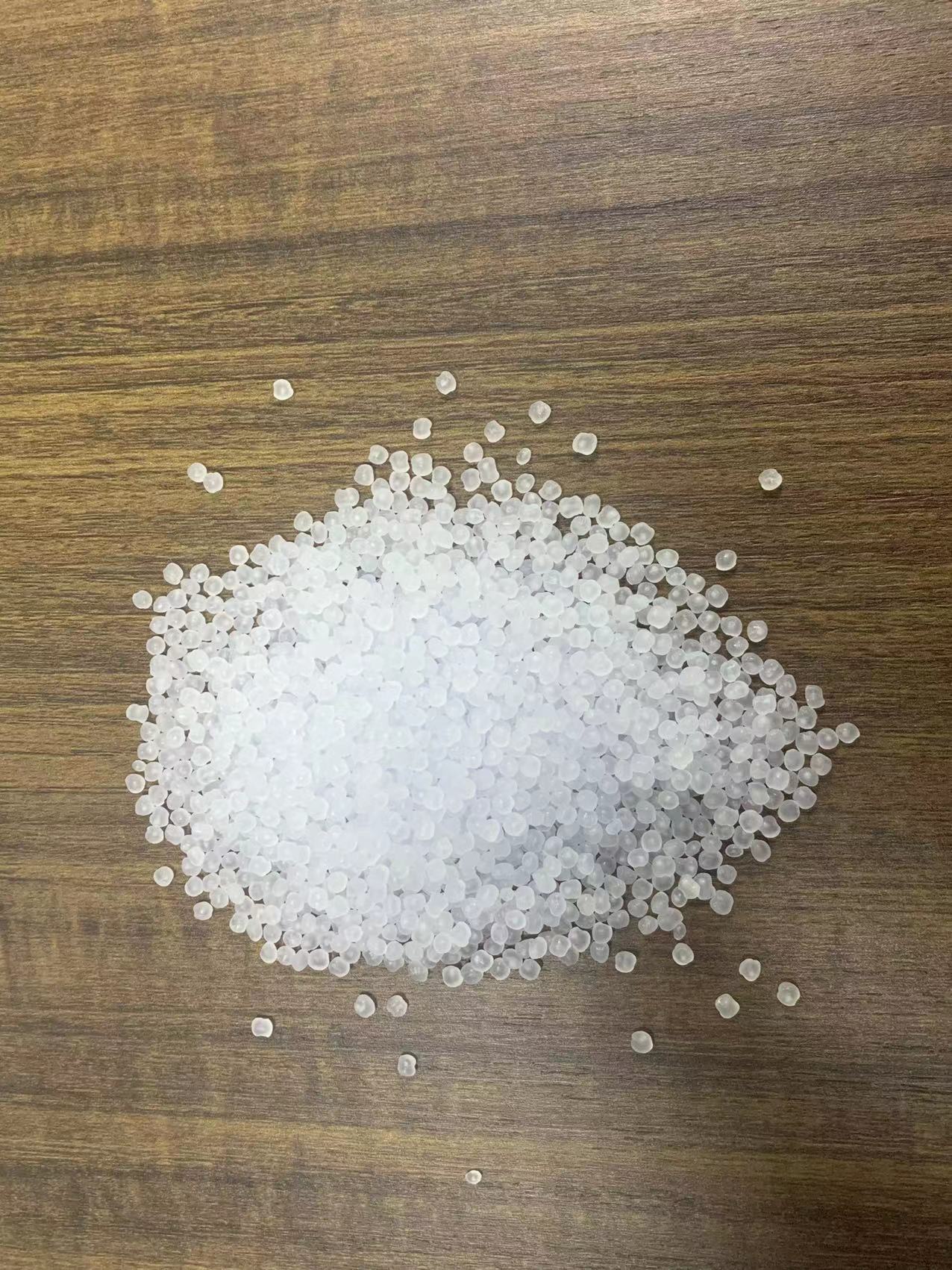
1. Fed Rate Cut Expectations Drive Upward Rally for Global PE and PP Market
Global PE and PP prices trended up on December 4.
Policy shifts and geopolitics fueled the plastic price rally.
Investors expect the Fed to cut interest rates soon.
Rate cut hopes lift global chemical market sentiment greatly.
Loose U.S. monetary policy boosts global economic growth.
It also weakens the U.S. dollar index effectively.
A weaker dollar lifts global plastic purchasing power.
PE and PP downstream consumption outlooks turn positive.
Macro easing strongly supports rising PE and PP prices.
2. Geopolitical Tensions Strengthen Bullish Supply-Side Sentiment for PE & PP
Geopolitical tensions boost bullish PE and PP market sentiment.
They tighten global petrochemical supply chain conditions.
Russia-Ukraine peace talks remain stalled currently.
Europe’s petrochemical supply chain fails to recover fast.
Key PE and PP feedstocks stay short in European regions.
Short-term European plastic import rebounds are unlikely.
Winter brings rising seasonal plastic product demand.
Traders worry about tight global petrochemical supplies.
Low feedstock supplies limit PE and PP production rates.
Supply uncertainties steadily support higher plastic prices.
3. December 4 Closing Update: Global PE and PP Benchmark Prices Record Gains
Global PE and PP benchmarks closed higher on December 4.
Macro and supply factors drove the unified price gain.
Global LDPE and HDPE spot prices rose 1.22% daily.
PP benchmark futures gained 0.94% on December 4.
A stable price gap exists between major plastic grades.
Global PE and PP supply and demand stay balanced.
Multiple positives keep upward price momentum dominant.
4. China Domestic PE & PP Futures Rise in Line with Global Market Trends
China’s PE and PP futures rose with global markets.
Domestic plastics show tight global market linkage.
China’s PP 2601 contract rose 2 RMB to 451.3 RMB/ton.
Domestic PE prices saw synchronous upward growth.
China’s plastic market integrates deeply with global sectors.
China is a major global PE and PP producer and consumer.
Its market trends guide global plastic price changes.
5. Market Outlook: Core Factors to Dominate Near-Term PE & PP Price Fluctuations
Traders track U.S. data for new Fed rate cut expectations.
Fed policies greatly affect global PE and PP pricing.
Geopolitics and OPEC+ policies trigger plastic price swings.
Feedstock costs set the bottom for PE and PP prices.
Recovering demand shapes long-term plastic price trends.
PE and PP prices enjoy solid short-term support.
Easing hopes and risks boost bullish plastic sentiment.
Plastic prices will keep rising with steady volatility.