

Global crude oil prices have plunged sharply amid easing Middle East geopolitical tensions in mid-2026. The loosened cost side has fully impacted the entire industrial chain of China’s plastic market. Commodity platform data on June 17 shows domestic plastic spot prices fell across all mainstream general plastic raw materials. Plastic traders and injection molding factories have adjusted their procurement strategies amid shifting industry market sentiment. The overall plastic market trend has reversed obviously with declining raw material prices.
1. Geopolitical Easing Eliminates Crude Oil Risk Premium
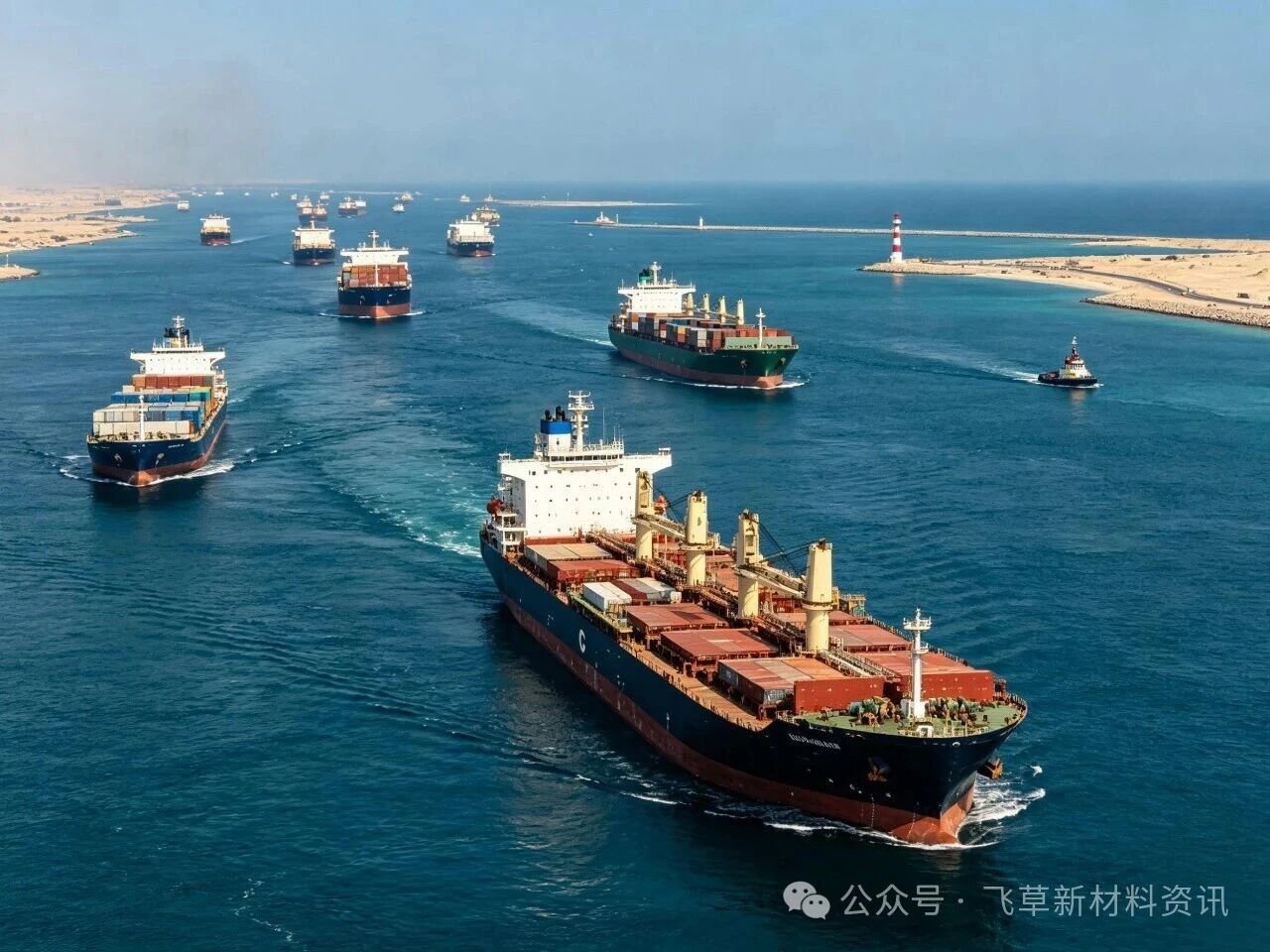
The official implementation of the US-Iran truce memorandum restores full shipping access to the Strait of Hormuz. This key move completely clears the geopolitical risk premium embedded in global crude oil pricing systems. Fading regional conflict tensions trigger a comprehensive and substantial correction in international crude oil prices. The improved oil shipping environment lays a bearish foundation for global energy and chemical markets. Loosened crude oil costs further drive downward adjustments in bulk petrochemical raw material prices.
2. Global Crude Oil Futures: Over 5% Single-Day Sharp Decline
Authoritative global commodity statistics confirm a steep single-day slump in major crude oil futures contracts. The NYMEX WTI July crude oil futures settled at $76.05 per barrel with a 5.82% daily drop. The US crude benchmark lost $4.7 per barrel, signaling a clear downward market trend. The ICE Brent August crude oil futures closed at $78.96 per barrel, down 5.06% daily. The double benchmark crude oil decline dominates the short-term petrochemical market pricing logic.
3. Crude Oil Downturn Fully Transmits to Domestic Plastic Raw Materials
Crude oil serves as the core cost benchmark that determines plastic industrial chain pricing standards. Falling international oil prices transmit rapidly to upstream and downstream domestic petrochemical sectors. Chinese petrochemical enterprises synchronously adjusted official listing prices on June 17, 2026. Sinopec cut PX prices by 200 yuan per ton to set a new benchmark of 8,800 yuan per ton. Domestic pure benzene prices dropped 300 yuan per ton to reach a standard price of 7,400 yuan per ton. Downstream plastic spot markets launched nationwide comprehensive price reduction adjustments. Mainstream domestic PET bottle chip prices fell below the key threshold of 8,000 yuan per ton. PP and LLDPE spot prices dipped 80 to 150 yuan per ton in most regional Chinese markets.
4. Iran Export Recovery Reshapes Asian Plastic Supply Pattern
Lifted restrictions on Iran’s crude and petrochemical exports reshape Asian market supply structures. Massive Iranian petrochemical and plastic products will flood the Asian market in the second half of 2026. China’s general plastic industry will face continuous supply increment pressure for the rest of the year. Pervasive bearish sentiment puts huge shipment pressure on domestic petrochemical plants. Downstream packaging, injection molding and modification enterprises enter a strategic adjustment period. Changing supply and demand balance further suppresses short-term plastic raw material price rebounds.
5. Short-Term Market Outlook & Scientific Procurement Strategies
Weak fundamental support will keep short-term crude oil prices in a volatile downward state. Domestic plastic raw material prices lack effective upward driving forces and face further decline risks. Industry professionals suggest downstream factories adopt phased and on-demand procurement modes. Strict inventory management helps processing enterprises avoid losses from continuous price drops. The current market creates a rare low-cost procurement window for plastic downstream industries. Long-term manufacturers can seize this opportunity to optimize overall raw material cost structures steadily.