

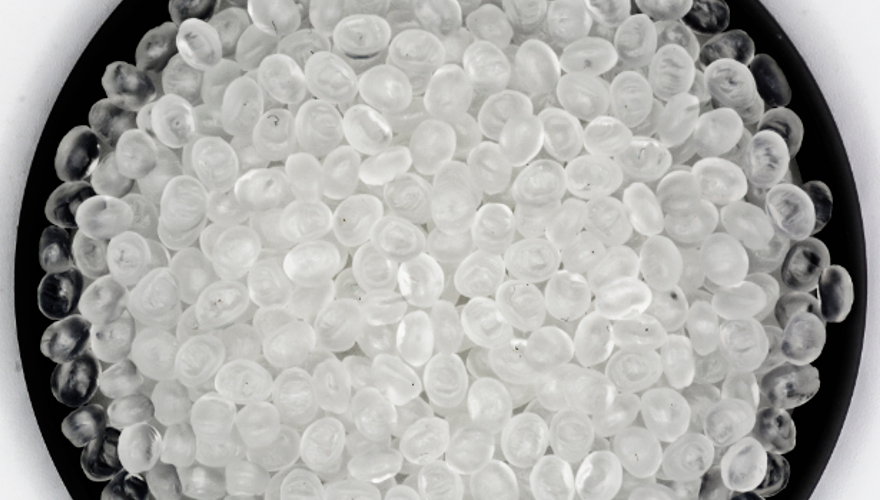
HDPE 7000F stands as a classic benchmark grade in the low-pressure high density polyethylene film manufacturing industry.
This versatile HDPE resin delivers stable quality and superior performance for diverse film production scenarios.
It covers daily packaging, agricultural films and industrial packaging for global manufacturing enterprises.
1. Basic Grade Information of HDPE 7000F Film Resin
HDPE 7000F is a dedicated high density polyethylene material for professional film production processes.
Manufacturers adopt continuous stirred tank slurry technology to produce this stable HDPE film grade.
Main mainstream supply origins include the Middle East, Thailand and domestic Chinese petrochemical bases.
Long-term reliable suppliers cover Dragon Petrochemical, Wanhua Petrochemical and Thai PTT Group.
2. Core Technical and Physical Parameter Specifications
2.1 Basic Physical Indexes
This HDPE grade features a density ranging from 0.952 to 0.956 g/cm³ for standardized film making.
It has an ultra-low melt flow rate of 0.04 g/10min under 190℃ and 2.16kg test conditions.
A bimodal and wide molecular weight distribution ensures balanced film processing and final toughness.
2.2 Mechanical Property Performance
Its tensile yield stress stably ranges from 24 to 29 MPa to support high-strength film forming.
The elongation at break reaches 500% to 820% for excellent tear resistance in daily use.
Environmental stress cracking resistance lasts 400 to 1000 hours for long-term service stability.
2.3 Thermal Resistance Performance Parameters
The Vicat softening point of HDPE 7000F is 124℃ to 125℃ for moderate heat resistance capacity.
Its melting temperature ranges from 125℃ to 131℃ to fit standard film blowing processes.
The embrittlement temperature is below -80℃ to adapt to extreme low-temperature environments.
3. Core Performance Characteristics of HDPE 7000F
3.1 Ultra-Low MFR and High Melt Strength
The 0.04 MFR value belongs to the ultra-low level among all commercial HDPE resin grades.
High molecular weight brings strong melt strength and stable bubble state during film blowing.
It supports ultra-thin film production from 0.006mm to 0.06mm without quality reduction.
3.2 Superior Strength and Rigidity
Balanced tensile strength and elongation enable films to keep rigid and non-collapsing shapes.
Finished film products bear heavy loads effectively without bottom cracking or local tearing.
3.3 Outstanding Weather and Low-Temperature Resistance
Professional antioxidant additives enhance its anti-aging ability for long outdoor exposure service.
It maintains intact toughness and flexibility even under continuous severe cold weather conditions.
3.4 High Adaptability to Low-Pressure Film Blowing
The recommended extrusion temperature is 180℃ to 230℃ for full and uniform plasticization.
A blow-up ratio of 2.5 to 4.0 ensures stable bubble operation on high-speed production lines.
This grade effectively lowers defective rates and improves overall film production efficiency.
4. Typical Application Scenarios for HDPE 7000F Films
4.1 Daily Packaging Film Products
Supermarket shopping bags made from 7000F feature good stiffness, printing effect and reusability.
Commercial and household garbage bags show great puncture resistance and anti-leakage performance.
Food packaging films meet food contact standards with non-toxic and odorless properties.
4.2 Agricultural Protective Film Applications
Greenhouse films block ultraviolet rays and maintain stable performance for long agricultural cycles.
Seedling cultivation films provide moderate strength and softness for seed growth protection.
4.3 Industrial and Special Thin Films
High-strength industrial films apply to product packaging and factory dust covering scenarios.
Special waste bags resist chemical corrosion for medical and industrial waste treatment use.
Ultra-thin 7000F films cut material costs while guaranteeing basic use performance standards.
4.4 Extended Diversified Application Fields
This multi-functional HDPE grade can produce extrusion pipes and blow molding containers as well.
It serves as a universal raw material for multiple plastic processing and manufacturing industries.
5. Origin Comparison and Professional Processing Guidelines
5.1 Performance Comparison of Different Origin 7000F
Thai 7000F offers 820% elongation and over 1000-hour stress cracking resistance for high-end films.
Chinese domestic 7000F has balanced performance with stable supply and competitive pricing edges.
Middle Eastern 7000F features low density and cost advantages for ordinary mass film production.
5.2 Standard Film Blowing Processing Tips
Set extruder temperature at 180-230℃ and head temperature at 200-220℃ for safe processing.
Adopt a double-airport wind ring system to achieve uniform cooling for smooth film surfaces.
Dry raw materials at 60-80℃ for 1-2 hours in rainy and humid production seasons.
6. Product Summary
HDPE 7000F is a recognized benchmark resin for global high density polyethylene film manufacturers.
Its ultra-low melt flow rate, high strength and weather resistance support diversified film production.
Products from Thailand, China and the Middle East meet differentiated market production demands.
It helps manufacturers realize thin-wall film production and scientific production cost optimization.